





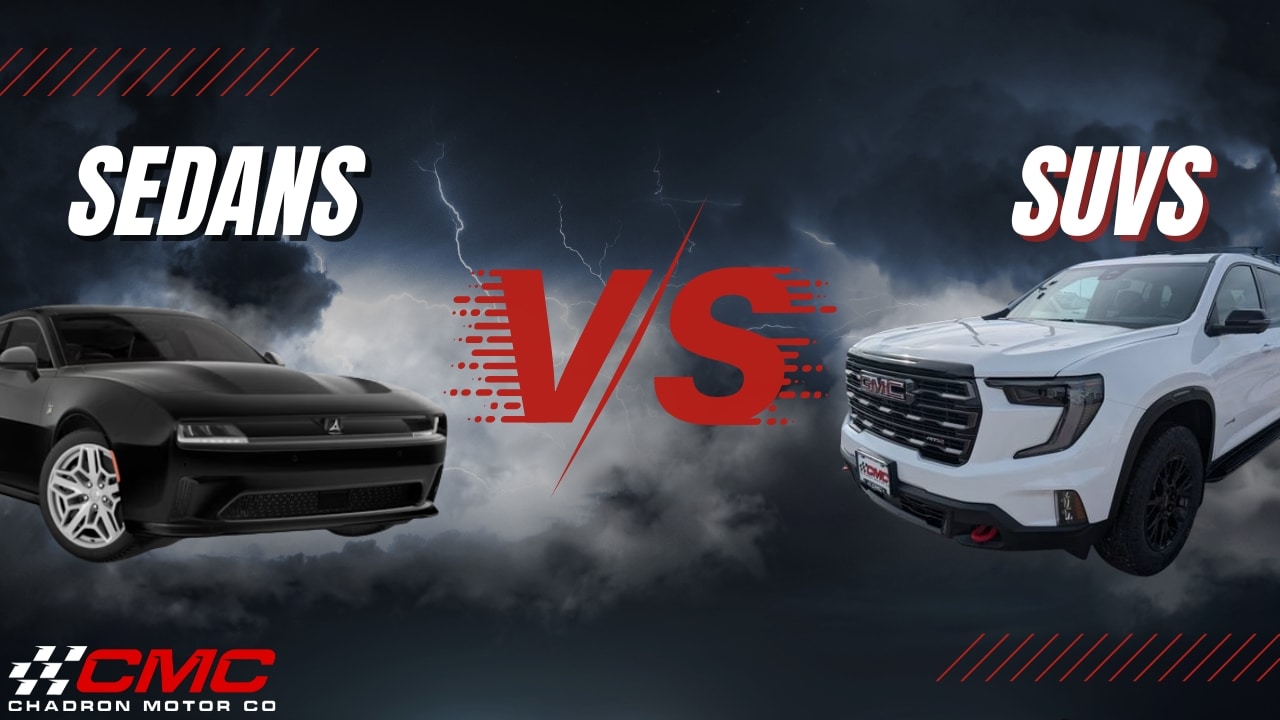
For many drivers across the High Plains, fuel economy is not a showroom talking point. It is part of the weekly rhythm: the school run, the cattle check, the trip into town, the highway miles between Chadron, Nebraska, and the Black Hills of South Dakota. Comparing gas mileage between sedans and SUVs means looking not only at miles per gallon, but also at winter roads, spring mud, ranch work, family space, and the kind of vehicle that fits the life being lived.
Sedan vs SUV MPG Comparison
Sedans usually win on fuel economy because they are lighter, lower to the ground, and shaped to move through the air with less effort. In a simple comparison, a sedan often makes the most sense for long paved commutes, light cargo, and drivers who want lower fuel use above all else. SUVs, however, have closed much of the old gap, and many fuel-efficient SUVs now offer a practical balance of mileage, traction, cargo space, and comfort.
The difference is not only mechanical. It is historical. For decades, the sedan was the family standard on main streets and county roads, while the truck or wagon waited for heavier work. As families spread their errands across school, business, pasture, and weekend travel, SUVs became the bridge between passenger comfort and rural usefulness.
When comparing sedan vs suv mileage, keep these core points in mind:
-
Sedans are usually best for pavement: They tend to return stronger sedan fuel economy on highways and city streets.
-
SUVs offer more utility: Cargo room, ground clearance, and available AWD can matter more than a few extra mpg.
-
Driving conditions change the result: Wind, hills, snow, mud, and tire choice can reduce real-world mileage.
-
The right choice depends on use: A business owner with deliveries, a ranch family, and a commuter may all need different answers.
Sedan Fuel Economy Holds a Practical Advantage
For drivers who spend most of their time on paved roads, a sedan can still be the quiet champion of low fuel costs. Its lower weight helps the engine work less, and its lower stance helps it cut through highway wind. In places where long stretches of road connect small towns, that steady efficiency can add up over years of ownership.
Sedans also make sense for businesses that need dependable transportation without much cargo demand. A local consultant, insurance agent, bookkeeper, or sales representative may value easy parking and lower fuel use more than ground clearance. In that case, the best vehicle is not the largest one; it is the one that supports the work without waste.
Still, the sedan has limits in this region. When snow drifts across a county road or thawing ground turns a driveway soft, lower clearance can become a concern. That does not make sedans a poor choice. It simply means the buyer should be honest about where the vehicle will go after the pavement ends.
Modern SUV Gas Mileage Has Become More Competitive
SUVs once carried a reputation for heavy fuel use, but modern designs have changed the conversation. Smaller crossovers, improved transmissions, turbocharged engines, and hybrid options have helped many SUVs become more efficient than older models. The phrase “best gas mileage SUVs” now belongs in a serious shopping conversation, not just a wish list.
Even among larger SUVs, shoppers can find reasonable options when they match the model to their needs. Jeep lists the 2026 Grand Cherokee at up to 21 city and 27 highway mpg, depending on configuration, which gives shoppers a useful reference point for Jeep Grand Cherokee MPG while still considering capability and comfort. GMC MPG varies by model and build; for example, GMC lists the 2026 Terrain FWD at an EPA-estimated 26 city and 28 highway mpg, while the 2026 Sierra 1500 TurboMax is listed at an EPA-estimated 18 city and 21 highway mpg.
The practical lesson is simple: do not judge all SUVs as one group. A compact crossover, a Grand Cherokee, and a full-size GMC truck serve different purposes. The smart buyer compares the window sticker, the drivetrain, the tires, and the work expected of the vehicle.
Which Vehicle Fits Winter-to-Spring Driving in Nebraska and South Dakota?
As winter transitions to spring, road conditions can get muddy and unpredictable. For winter-to-spring driving in Nebraska and South Dakota, the best choice is often the vehicle that balances fuel economy with traction, clearance, and work readiness. A sedan may be efficient on dry highways, but an AWD SUV, Grand Cherokee, Ram 1500, or used truck can be better suited for muddy grounds, ranch lanes, calving season, fencing work, and unpredictable spring roads. That is especially true for shoppers considering Nebraska winter driving vehicles or SUVs in South Dakota that drivers can rely on beyond town streets.
Winter teaches caution. Spring teaches preparation. The thaw that softens a field entrance can be just as troublesome as January ice, especially when chores begin before sunrise and equipment has to move whether the road is clean or not.
Winter-to-Spring Prep
As the season turns, drivers should prepare both the vehicle and the plan for using it. Fuel economy matters, but so does avoiding a stuck vehicle when spring work starts again.
A practical seasonal checklist includes:
-
Inspect tires: Winter wear can leave tires weak just when spring mud arrives.
-
Check brakes and fluids: Cold months are hard on mechanical systems, and spring driving often adds heavier loads.
-
Wash the underbody: Road salt and grime should be cleaned away before they linger into warmer weather.
-
Test AWD or 4WD systems: Make sure traction systems engage properly before you need them in mud.
-
Review towing and payload needs: Ranch work, fencing supplies, seed, tools, and trailers all change what “enough vehicle” means.
-
Compare real use, not ideal use: A high-mpg sedan may be excellent Monday through Friday, while a truck or SUV may be essential on weekends or during spring work.
This is where SUV gas mileage becomes only one chapter in the larger story. A few miles per gallon saved may not help if the vehicle cannot reach the pasture gate, handle a washed-out lane, or carry the tools needed for the day.
Used Trucks, Ram 1500s, Grand Cherokees, and AWD SUVs for Spring Work
Across ranch country, vehicles often earn trust the old-fashioned way: by showing up when the ground is poor and the work is waiting. Used trucks remain a strong option for drivers who need hauling ability without stepping into a brand-new model. A well-chosen used truck can carry feed, tools, fencing supplies, parts, and the ordinary weight of rural life
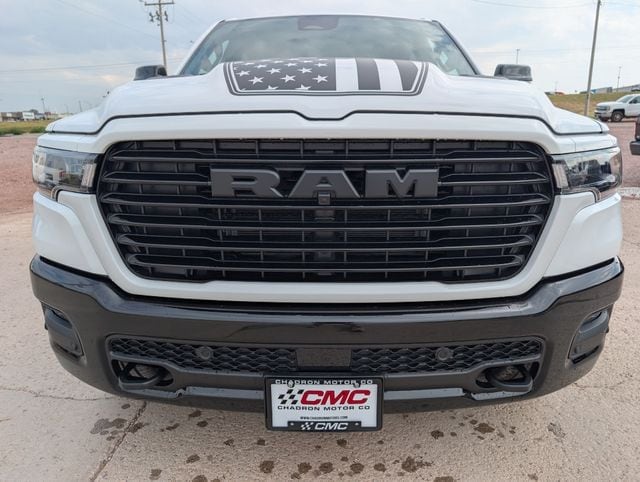
Ram 1500s are especially useful for drivers who need a half-ton pickup with everyday comfort and real work value. For many families and small businesses, a Ram 1500 can move from jobsite to school pickup to weekend hauling without feeling out of place. When spring work starts up again, that versatility matters.
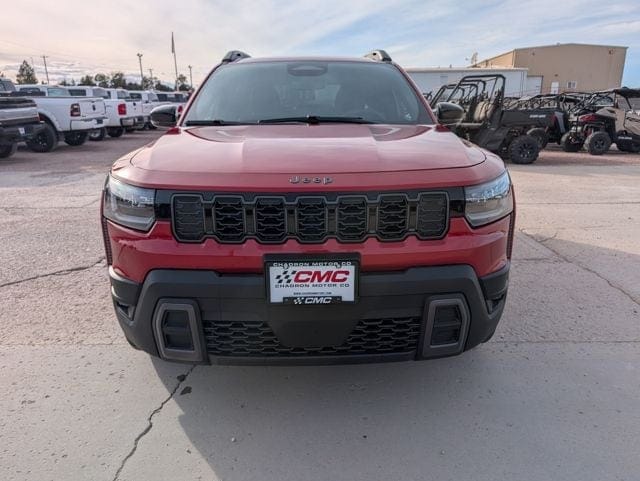
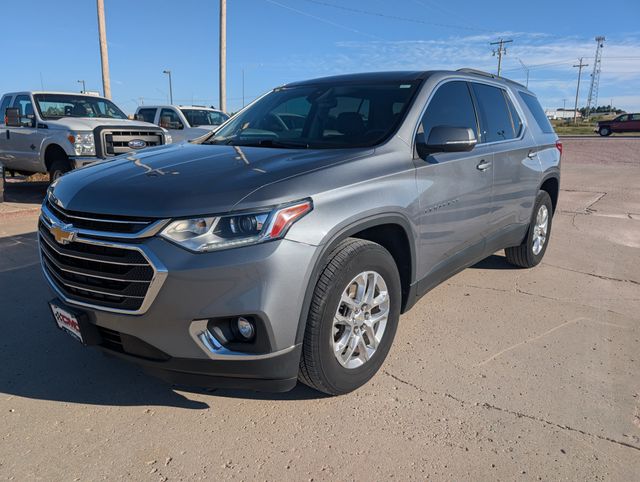
Grand Cherokees and AWD SUVs speak to a slightly different need. They offer enclosed cargo space, passenger comfort, available traction, and more confidence on rough or muddy approaches than many sedans can provide. For ranch visits, gravel roads, Black Hills trips, or muddy driveways, they can serve as a practical middle ground between sedan efficiency and pickup capability.
Here at Chadron Motor Company, our pre-owned inventory spans multiple makes and price points. Our inventory is expansive representing Chrysler, Dodge, Jeep, Ram, GMC, and related equipment and powersports brands. We are the regional stop for shoppers comparing trucks, SUVs, and work-ready options.
Useful inventory links:
-
Used trucks: https://www.chadronmotors.com/used-inventory/index.htm?bodyStyle=Truck
-
Used Ram 1500 models: https://www.chadronmotors.com/used-inventory/index.htm?make=Ram&model=1500
-
Used Jeep Grand Cherokee models: https://www.chadronmotors.com/used-inventory/index.htm?make=Jeep&model=Grand%20Cherokee
A Local Choice Shaped by Distance, Weather, and Community
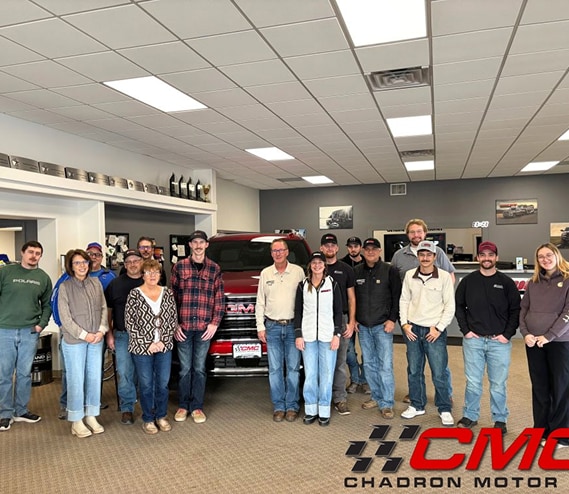
Chadron Motor Company’s story fits the region it serves. We are family-owned, established in 1992, and built around more than three decades of service across northwest Nebraska, eastern Wyoming, southwest South Dakota, and the Black Hills. That kind of history matters in a region where commerce is still personal, where a handshake and a service visit can carry as much weight as a sale.
That regional reach helps explain why the sedan versus SUV question is not abstract here. A driver may need good mileage for the highway to Rapid City, sure footing for a snowy morning, and enough capability for a muddy ranch entrance in April. A vehicle that fits this land must honor both economy and usefulness.
Practical Takeaways for Choosing Between a Sedan and an SUV
Before choosing, write down how the vehicle will be used in an ordinary month. Not the perfect month. Not the easy one. The ordinary one, with wind, errands, gravel, weather, and work.
Use this guide:
-
Choose a sedan if: most driving is paved, cargo needs are light, and fuel savings are the top priority.
-
Choose a fuel-efficient SUV if: you need better access, passenger room, cargo flexibility, and available AWD.
-
Choose a Grand Cherokee or AWD SUV if: you want comfort with added confidence for snow, mud, and uneven roads.
-
Choose a used truck or Ram 1500 if: hauling, ranch work, towing, or spring cleanup are regular parts of life.
-
Compare actual MPG ratings: Look at the exact model, engine, drivetrain, and tires rather than relying on broad categories.
In the end, the best choice is not always the vehicle with the highest number on the fuel economy label. It is the one that saves fuel where it can, works when it must, and supports the household or business through every season.
So… Which Vehicle Fits Your Lifestyle Best?
Sedans still hold a clear advantage in fuel economy, especially for steady paved-road driving. SUVs and trucks, however, bring capability that matters across Nebraska, South Dakota, eastern Wyoming, and the Black Hills, particularly as winter gives way to spring mud and ranch work begins again.
For drivers weighing Sedan vs SUV gas mileage, the wiser question is broader: what kind of miles do you drive? Once you answer that, the right choice becomes less about categories and more about fit, purpose, and the road ahead.
Still deciding? Contact our team of experts today!
