




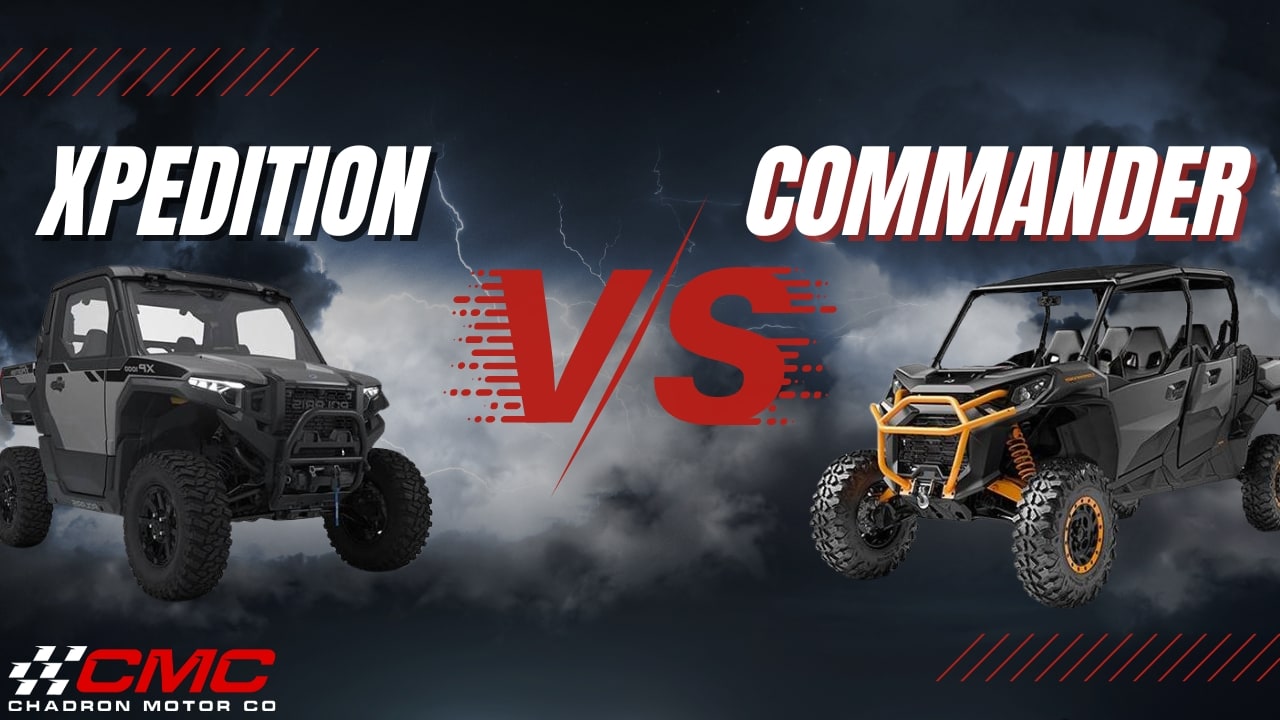
Imagine being five miles deep into a mountain trail when the skies suddenly open up. In most off-road vehicles, you are frantically reaching for a poncho, but in the Polaris Xpedition, you simply roll up the windows. Factory-enclosed cabs are a genuine game-changer for foul weather, shifting the standard from open-air exposure to climate-controlled comfort.
In practice, making sense of this side-by-side comparison means looking at everyday automotive equivalents. Think of the Xpedition as a luxury Jeep Wrangler built for "overlanding" - a mobile basecamp designed for extended camping trips. Conversely, the Can-Am Commander acts more like a versatile Ford F-150. It is a "crossover" UTV balancing weekend trail exploration with the raw utility needed to haul firewood around a large property.
Choosing a winner in a Polaris Xpedition vs Can-Am Commander UTV comparison comes down to personal priorities, not mechanical jargon. The choice navigates the major trade-offs between a crossover's pure utility and an overlander's premium luxury, matching your exact weekend riding style to the perfect machine without getting bogged down in complex specifications.
The Overlander vs. The Crossover: Why Purpose Dictates Your Choice
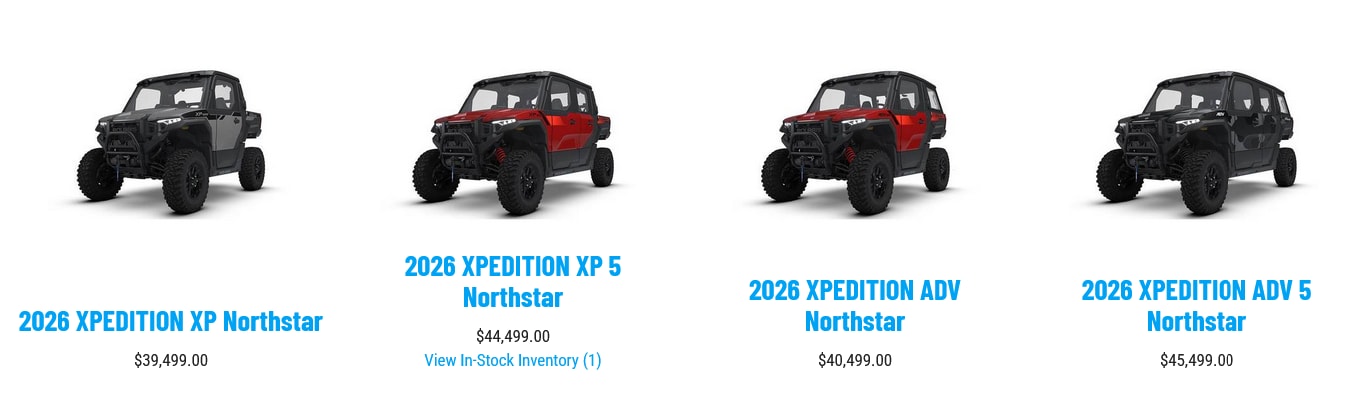
Choosing a crossover vs adventure side-by-side comes down to your weekend plans. Historically, machines were built either for heavy farm work or fast-paced riding. Now, the Can-Am Commander bridges the gap as a versatile Utility/Sport crossover. Think of it like a dependable pickup truck - perfect for hauling firewood on Friday afternoon and exploring dirt trails on Saturday morning.
Polaris takes a different approach with the Xpedition, embracing a "basecamp mentality" focused on long-distance self-sufficiency. It is arguably the best UTV for multi-day camping trips, trading everyday yard-work utility for specialized luxury so you can comfortably venture deeper into the wilderness. To figure out which machine fits your driveway, consider your primary goals:
-
The Multi-Tasker: Choose the Commander for an even 50/50 split between clearing property brush and hitting local trails.
-
The Explorer: Lean toward the Xpedition if your ultimate goal is discovering hidden fishing holes miles away from civilization.
-
The Pragmatist: Pick the Commander if quick access to an open dump bed matters more than a sealed interior.
Ultimately, your choice hinges on prioritizing weather protection versus open-air versatility, which naturally introduces the deciding factor of cabin comfort.
Cabin Comfort and the 'Dusty Face' Problem: Why an Enclosed HVAC System Changes Everything
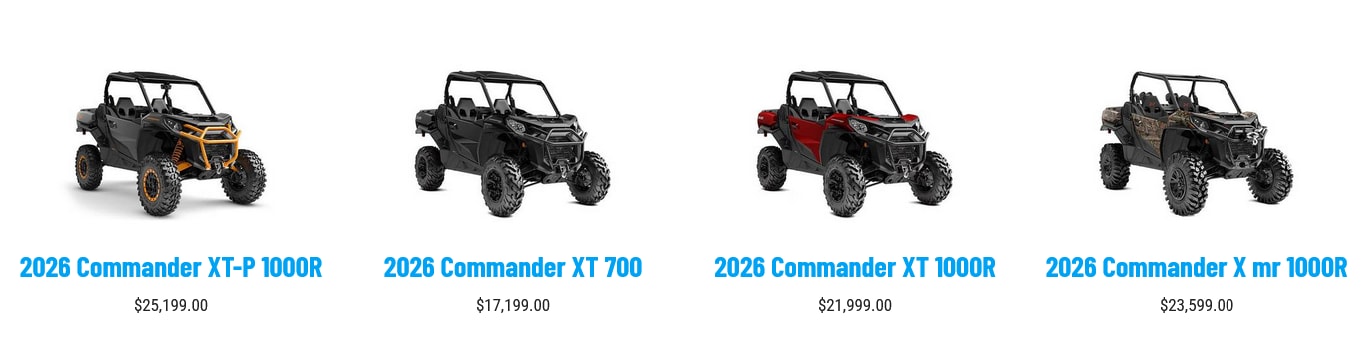
Anyone who has spent a dry summer afternoon following a buddy down a dirt trail knows the dreaded "dusty face" problem. The Can-Am Commander embraces the classic, open-air UTV experience, letting you feel the breeze and connect directly with the outdoors. While you can add aftermarket windshields and doors to block the worst of the elements, it fundamentally remains an open cockpit.
Comparing the Polaris Xpedition HVAC vs Can-Am climate control options reveals a totally different design philosophy. Rather than bolting plastic panels onto an open roll cage, Polaris built the Xpedition from the ground up to support factory enclosed cab comfort features. Think of it like sitting inside your daily-driver SUV, complete with automotive-style air conditioning and heating vents built directly into the dashboard.
That sealed environment introduces a game-changing feature for trail riders: cab pressurization. By constantly pumping fresh, filtered air into the cabin, the system creates slightly higher pressure inside the vehicle than outside. It acts like an invisible shield, actively pushing dirt away from door seams and keeping your gear perfectly clean, even if you are kicking up massive clouds of sand outside.
Deciding between these interiors comes down to whether you want the raw thrill of wind in your face or the ability to ride comfortably in freezing winter rain. But whether you choose the climate-controlled sanctuary or the rugged open cockpit, both machines need serious muscle to move you down the trail.
ProStar vs. Rotax: Understanding the Power Beneath Your Right Foot
Pressing the gas pedal reveals two distinct personalities born from decades of reliable engineering. Can-Am uses a legendary Rotax engine, famous for a snappy throttle response that feels incredibly sporty when powering out of a tight corner. Conversely, Polaris utilizes the ProStar engine to deliver a smoother, highly predictable power surge. Both brands boast excellent reliability histories, but they cater to very different driving styles: one begs to be driven aggressively, while the other is built to comfortably cruise.
Translating that power to the dirt introduces a crucial feature for property owners. A turf mode vs locking differential comparison is ultimately about rear wheel behavior during turns. Traditional locking differentials force both rear wheels to spin equally, providing great mud traction but ruthlessly tearing up lawns on sharp corners. Turf Mode unlocks those rear wheels so they can spin independently, letting you maneuver across delicate backyard grass without leaving massive dirt ruts behind.
Choosing between Rotax engine vs Polaris ProStar performance comes down to prioritizing a punchy, athletic ride or a refined, yard-friendly cruiser. However, engine power only matters if you can keep your tires planted without rattling your teeth.
Fox Shocks and Ground Clearance: How Each Machine Soaks Up the Trail
Navigating rutted trails comfortably demands ground clearance and suspension travel. Clearance is the space between your UTV's belly and the dirt - essential ground clearance for technical rock crawling so you avoid scraping against boulders. Suspension travel dictates how far your wheels can move vertically to absorb those bumps. Generous travel prevents "bottoming out," that jarring thud you feel when a shock fully compresses under heavy pressure.
A quick comparison of Fox Podium shocks vs Walker Evans Velocity setups highlights how each brand manages different payloads. Can-Am’s Fox shocks deliver a sporty, versatile ride, keeping the vehicle agile on fast dirt roads. Conversely, Polaris utilizes Walker Evans shocks with a heavy-duty dampening focus meaning they are specifically tuned to control the bounce of a heavy, gear-packed cab. These overlanding side-by-side suspension specs are engineered to carry serious weight smoothly over long miles, rather than win a high-speed desert race.
| Top-Trim Models | Ground Clearance | Suspension Travel | | :--- | :--- | :--- | | Can-Am Commander XT-P | 13.5 inches | 14 inches | | Polaris Xpedition ADV | 14.0 inches | 14 inches |
Your ideal foundation depends on whether you prefer light weekend trail rides or hauling a robust mobile basecamp. Once the suspension is sorted, organizing the equipment you plan to carry becomes the next priority.
Cargo Beds and Camping Gear: Organizing Your Adventure Without the Clutter
Throwing bags into a UTV shouldn't feel like a game of Tetris. If you regularly haul firewood or need easy washout capabilities, the Can-Am Commander’s traditional dumping bed is built for property management. Conversely, the Polaris Xpedition ADV opts for an enclosed cargo space, trading the dumping function for a weather-sealed vault. This design is perfect if you need dry, secure cargo bed volume for hunting gear or sleeping bags during multi-day trips.
Securing that equipment is where modern engineering replaces frustrating bungee cords with click-in modular systems. Comparing Can-Am LinQ accessories vs Polaris Lock and Ride reveals two brilliant ways to quickly customize your layout without using tools.
-
Coolers: Can-Am LinQ coolers vs. Polaris Lock & Ride heavy-duty coolers.
-
Storage: Weatherproof LinQ cargo boxes vs. Lock & Ride tool chests.
-
Racks: Commander LinQ roof racks vs. Polaris Rhino-Rack roof baskets.
-
Grips: LinQ gear grips for shovels vs. Lock & Ride D-rings.
When built-in storage isn't enough, both side-by-sides boast a hefty 2,000-pound towing capacity, easily handling a utility trailer packed with extra lumber. Basically, choose the Commander for a versatile workhorse, or the Xpedition for a rolling basecamp. Since dragging all this weight inevitably burns gas, calculating your travel range and maintenance costs is crucial for long trips.
Long-Range Fuel and Maintenance: Calculating the Real Cost of Ownership
Heading miles past cell service requires trusting your gas gauge. Calculating your actual trail range involves more than just checking the fuel tank capacity for long-range expeditions; it depends heavily on your riding environment. Smooth dirt roads sip gas, but steep inclines or thick mud drastically increase your fuel depletion rate, draining the tank noticeably faster than flat terrain.
Reliability on the trail means planning for the annual maintenance costs for premium UTVs. Unlike your daily commuter car, off-road vehicles demand proactive upkeep to prevent breakdowns in the woods. To avoid expensive surprises, build your yearly budget around these three essentials:
-
Fluids: Swapping engine oil and differential fluids every 50 to 100 hours.
-
Belts: Inspecting the rubber transmission belt for wear, especially after heavy towing.
-
Filters: Replacing essential engine air filters choked by dusty summer riding conditions.
Eventually, you might decide to upgrade, making the resale value of Polaris vs Can-Am models a crucial financial factor. Fortunately, both of these highly sought-after brands hold their worth remarkably well, protecting your initial investment.
Final Decision Matrix: Which Machine Should You Park in Your Garage?
Looking past the showroom marketing helps identify exactly which side-by-side fits your daily life. Instead of just looking at two rugged vehicles, consider whether your weekends call for the climate-controlled comfort of the Polaris Xpedition or the hard-working, versatile spirit of the Can-Am Commander. Finding your perfect match isn't about memorizing technical specs; it is about making the best UTV choice for your family.
The final step is getting behind the wheel. Take this quick checklist to your local dealership to ensure a perfect fit:
-
Sit in the driver's seat and check the legroom.
-
Turn on the HVAC system to test cabin noise.
-
Open and close the dump bed latch yourself.
-
Have the dealer demonstrate the digital display features.
-
Picture your specific gear loaded for a weekend trip.
There is no wrong choice here, only the right vehicle to match your outdoor lifestyle. Whether your future holds the enclosed luxury of the Xpedition or the do-it-all utility of the Commander, schedule a test drive to see which model best fits your next outdoor adventure.
Visit Polaris of Chadron
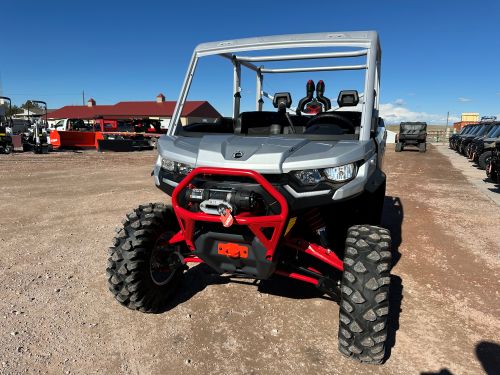
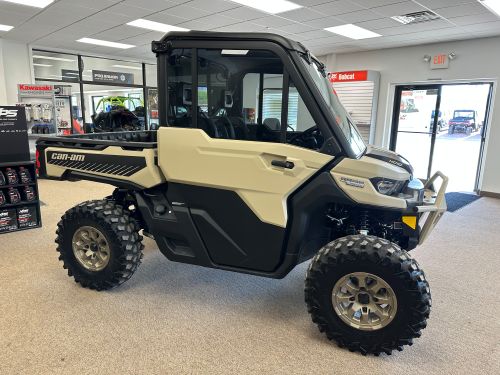
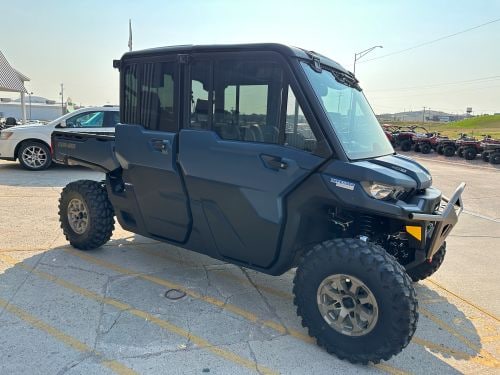
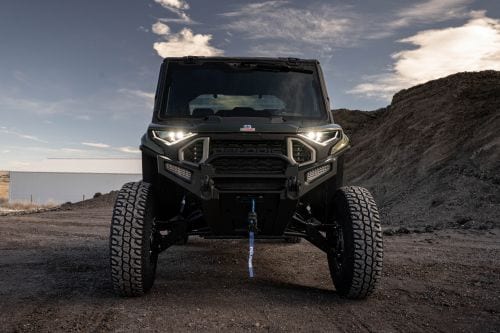
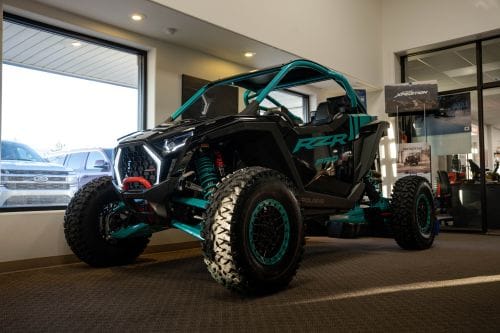
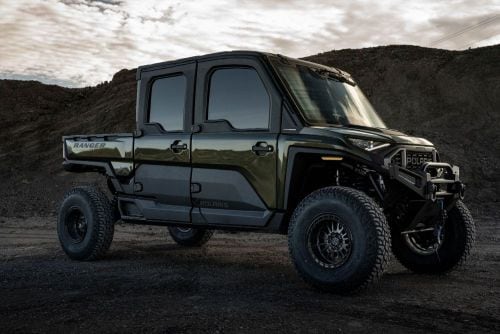
No matter which machine fits your riding style, Polaris of Chadron has you covered. With an extensive inventory of off-road powersports vehicles including the Polaris Xpedition, Can-Am Commander and more, you can find the perfect match for everything from weekend trail runs to backcountry overlanding. With convenient locations in Rapid City, SD and Chadron, NE, our team is here to help you explore your options, get hands-on, and drive away confident in your next adventure-ready ride.
